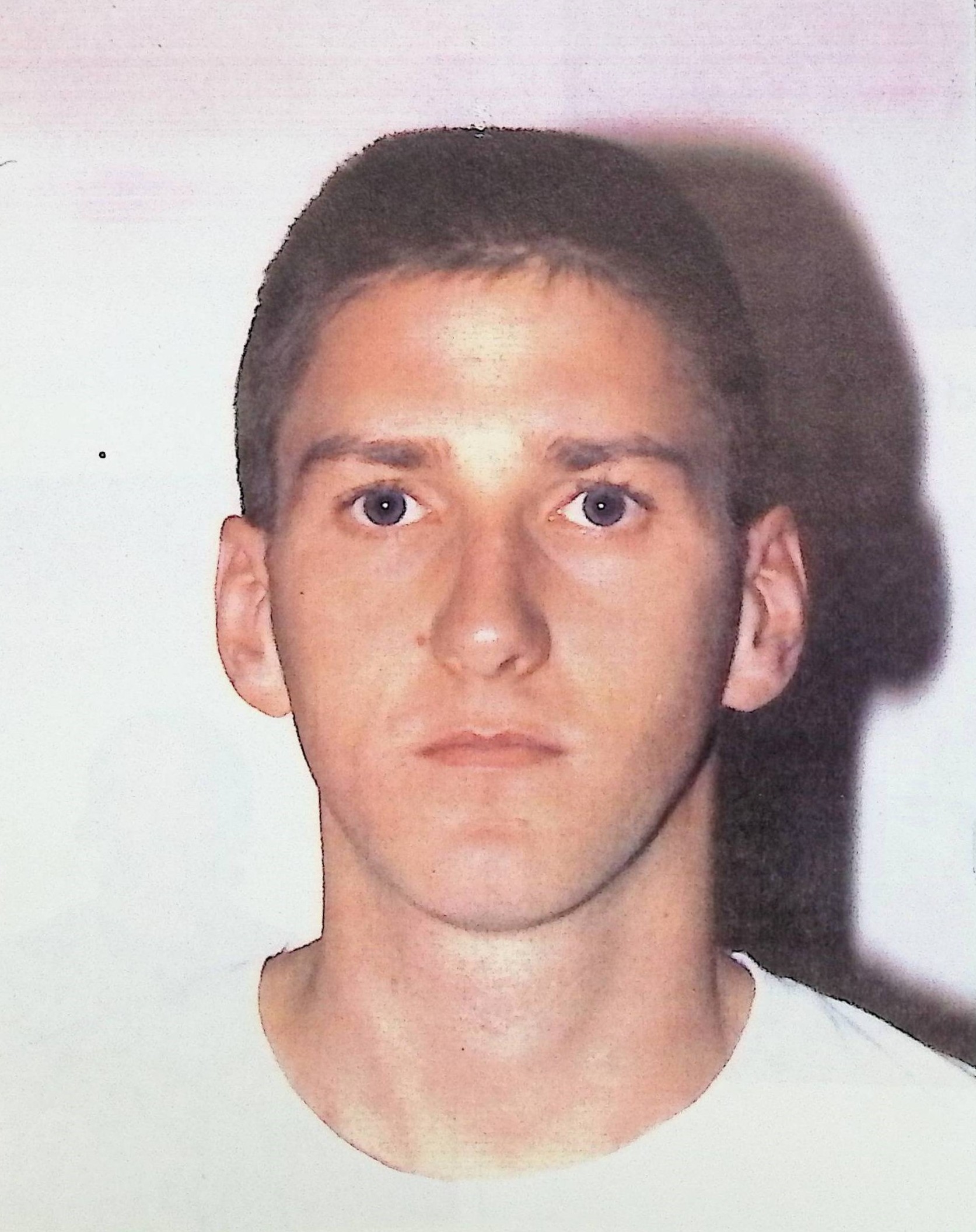
On the morning of April 19, 1995, a rented Ryder truck loaded with nearly 5,000 pounds of anhydrous ammonium nitrate fertilizer and fuel oil detonated outside the Alfred P. Murrah Federal Building in Oklahoma City, killing 168 people and injuring more than 680 others. It was the deadliest act of domestic terrorism in American history, and within hours all signs pointed to a domestic extremist with anti-government motives. Within two days, federal agents arrested Timothy McVeigh, a former Army soldier who had expressed fierce opposition to the U.S. government. He was ultimately convicted, sentenced to death, and executed — a legal arc that concluded on June 11, 2001.
The investigation moved with unusual speed. FBI Director Louis Freeh placed the full weight of the bureau behind the case, and by April 21, 1995, agents had identified McVeigh through debris patterns, witness descriptions, and a receipt for the Ryder truck found at the scene. McVeigh was traveling with a co-conspirator, Terry Nichols, who was later tried and convicted on parallel charges. The bombing destroyed the north face of the nine-story building, demolishing a day-care center on the second floor and killing 19 children. The scale of casualties shocked a nation still raw from the World Trade Center bombing two years earlier.
McVeigh's trial opened in Denver, Colorado, in April 1997 — the U.S. District Court for the Western District of Oklahoma had been damaged in the bombing and could not host proceedings. Jury selection took weeks; the trial itself lasted eight weeks. Federal prosecutors presented more than 900 witnesses and introduced thousands of exhibits. The central argument: McVeigh had acted alone in constructing and detonating the device, with Terry Nichols providing logistical support including the acquisition of the fertilizer. McVeigh's defense team argued he had acted under the influence of a larger antigovernment conspiracy. The jury rejected that theory entirely.