Richard Speck: The Chicago Nurses Murders

closedUSJuly 13, 1966 — December 5, 1991

0 verified · 4 unverified · 4 claims total

In 1996, a videotape emerged that shocked the families of eight murdered nurses and outraged the Chicago prosecutors who had spent three decades believing Richard Speck had at least been put away forever. CBS Chicago broadcast footage from inside Stateville Prison showing Speck alive and comfortable in his cell — confessing to the killings in chilling detail, using drugs on camera, and displaying not a trace of remorse. For the men and women who had prosecuted him and for the surviving family members of his victims, the footage was its own kind of crime.

The night that made Speck one of the most notorious killers in American history began on July 13, 1966. Eight student nurses — Gloria Jean Davy, Valentina Pasion, Merlita Gargullo, Nina Jo Schmale, Pamela Lee Wilkening, Suzanne Bridget Farris, Mary Ann Jordan, and Patricia Ann Matusek — were asleep in their South Deering townhouse on Chicago's far south side, a shared dormitory for students at the Community Hospital. By the morning of July 14, seven of them were dead.

Richard Benjamin Speck was 24 years old on the night of the murders, born December 6, 1941, in Kirkwood, Illinois, and already carrying a record of more than twenty arrests by the time he forced his way into that townhouse. Contemporary accounts described him as an alcoholic drifter, a man of chronic violence and instability who had left a trail of petty crime across multiple states. He had no connection to the nurses. The murders — carried out with both a gun and a knife — were so systematic and so savage that the Chicago History Museum would later describe them as among the most "heinous and horrible" crimes in the city's history.

There were nine women in that townhouse, not eight. Corazon Amurao hid herself beneath a bed while Speck moved through the rooms. At some point during the attack, he lost count of his victims — and he never found her. She stayed hidden and silent through the night. When it was over and Speck was gone, she cried out for help. Her survival would become the linchpin of the criminal case that followed: she saw his face, she remembered the tattoo on his arm, and she would live to testify against him.

Speck was identified and arrested within days. An emergency room physician at a Chicago hospital recognized a tattoo on his arm — "Born to Raise Hell" — that newspapers had already published based on Amurao's description. Fingerprints recovered from the crime scene confirmed his presence in the townhouse. Amurao provided a formal identification. The Chicago History Museum records Speck as "The First Mass Murderer" in Chicago's documented history, a designation that speaks both to the scale of the crime and to the precedent-setting nature of the investigation and prosecution that followed.

Speck was convicted of all eight murders and sentenced to death. The case became a reference point in the national debate over capital punishment — the question of whether any crime is so monstrous that death is the only proportionate response. In the end, Speck outlived that sentence. He was refused parole multiple times throughout his decades in custody and died on December 5, 1991, in Joliet, Illinois — one day before his fiftieth birthday — of a heart attack. He served nearly twenty-five years behind bars.

The 1996 prison footage forced the case back into public view. It showed a man who had forfeited none of his appetite for pleasure, who described murdering eight women without visible weight, and who seemed wholly unconcerned with the gravity of what he had done. Outrage followed — from prosecutors, from victims' families, from anyone who believed that prison was supposed to carry some cost. The footage did not change what happened on July 13, 1966, and it did not restore anything that had been taken. What it confirmed was what the evidence had always suggested: that the man who killed Gloria Jean Davy, Valentina Pasion, Merlita Gargullo, Nina Jo Schmale, Pamela Lee Wilkening, Suzanne Bridget Farris, Mary Ann Jordan, and Patricia Ann Matusek felt nothing about it. Their names are still known. His infamy is the only thing he left behind.

Images

Archival and public-source images gathered for this case, shown as found and marked unverified until a human checks rights and relevance. Not a rights clearance, endorsement, or complete record.

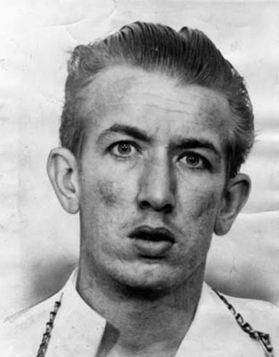
Black-and-white 1966 police booking photograph of Richard Speckunverified
Richard Speck in his 1966 booking photograph, taken after the murders of eight student nurses in Chicago.1966 police booking photograph, via English Wikipedia

Timeline

  1. July 13, 1966Richard Speck, having spent the evening drinking at Chicago bars, enters a South Deering townhouse dormitory housing student nurses

    Richard Speck, having spent the evening drinking at Chicago bars, enters a South Deering townhouse dormitory housing student nurses

  2. July 13, 1966Speck murders eight student nurses in the townhouse dormitory; Corazon Amurao survives by hiding under a bed

    Speck murders eight student nurses in the townhouse dormitory; Corazon Amurao survives by hiding under a bed

  3. July 14, 1966Crime scene discovered; seven nurses found dead, Corazon Amurao emerges as the sole survivor

    Crime scene discovered; seven nurses found dead, Corazon Amurao emerges as the sole survivor

  4. c. July 14, 1966Speck arrested at a Chicago hospital after an emergency room physician recognizes his 'Born to Raise Hell' tattoo from survivor descriptions

    Speck arrested at a Chicago hospital after an emergency room physician recognizes his 'Born to Raise Hell' tattoo from survivor descriptions

  5. December 5, 1991Richard Speck dies in Joliet, Illinois, one day before his 50th birthday

    Richard Speck dies in Joliet, Illinois, one day before his 50th birthday

Claims

Each claim is sourced and shown by default. The mark beside it reads its status — a hollow ring with the count of independent sources (reported, awaiting review), a solid dot (human-verified), or oxblood (disputed). Verification is human-only.

0 of 4 facts verified · help verify →

Richard Speck was identified at a hospital when an emergency room physician noticed a tattoo on his arm reading 'Born to Raise Hell,' which matched the description provided by surviving witness Corazon Amurao.[1]

origin: imported

By age 25, Richard Speck had accumulated over 20 prior arrests, establishing a documented pattern of criminal behavior well before the 1966 murders.[1]

origin: imported

Corazon Amurao survived the attack by hiding under a bed throughout the night of July 13–14, 1966, remaining undetected by Speck because he lost count of his victims.[2]

origin: imported

Fingerprints recovered at the South Deering dormitory crime scene provided forensic evidence linking Richard Speck to the murders.[1]

origin: imported

Sources

Sources opened and checked for this issue — not exhaustive, official, or a complete record. Numbers match the citation marks above.

  1. 1.Chicago History Museum — The First Mass Murderer: Richard Speck in Chicago
  2. 2.Wikipedia — Richard Speck