Stinney was interrogated without a parent or counsel present, and a later court ruled his confession was likely coerced and inadmissible.[1]
Check the sourcesWikipedia ↗
origin: imported
3 claims
Not yet independently verified
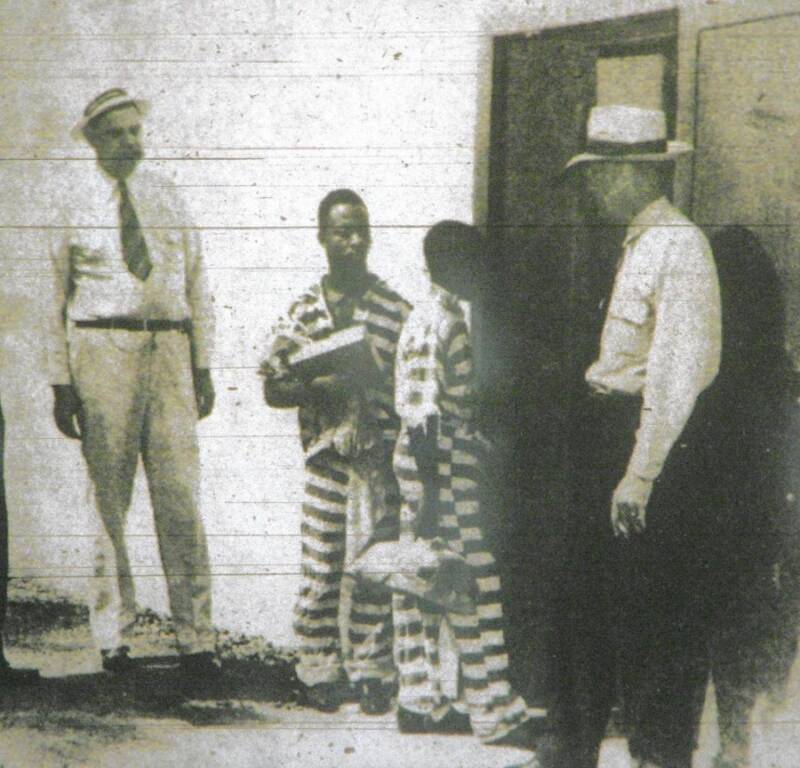
On the morning of June 16, 1944, guards at South Carolina's state penitentiary walked fourteen-year-old George Junius Stinney Jr. to the electric chair. He weighed approximately 90 pounds and stood just over five feet tall — so small that the guards struggled to properly strap him into the apparatus. He was the youngest person executed in the United States in the twentieth century. He had been convicted and sentenced to death in a single day.
George Stinney had lived in Alcolu, South Carolina, a small, segregated mill town where racial divisions shaped every aspect of daily life. He was Black, the son of George Junius Stinney Sr. and Aimé Brown Stinney, and he had grown up in a community where his family had no legal protection and no political power worth speaking of. The machinery of the white-run state had never been designed to protect people like him. In the spring of 1944, that machinery turned against him completely.
The crime that led to his execution had occurred less than three months earlier. On March 22, 1944, two white girls — eleven-year-old Betty June Binnicker and eight-year-old Mary Emma Thames — went missing while riding their bicycles through Alcolu. Their bodies were discovered in a ditch the following day, showing signs of a brutal beating. The murders sent fear through the community and intensified racial tension in an already volatile environment.
Archival and public-source images gathered for this case, shown as found and marked unverified until a human checks rights and relevance. Not a rights clearance, endorsement, or complete record.
Each claim is sourced and shown by default. The mark beside it reads its status — a hollow ring (reported, awaiting review), a solid dot (human-verified), or an oxblood triangle (disputed). The numbered references point to the sources at the page bottom. Verification is human-only.
0 of 3 facts verified · help verify →
Stinney was interrogated without a parent or counsel present, and a later court ruled his confession was likely coerced and inadmissible.[1]
Check the sourcesWikipedia ↗
The trial presentation lasted about two and a half hours; the court-appointed attorney called no witnesses, did not cross-examine the prosecution, and filed no appeal after sentencing.[1]
Check the sourcesWikipedia ↗
The conviction rested almost exclusively on a single piece of evidence — Stinney's unrecorded, unsigned alleged confession.[1]
Check the sourcesWikipedia ↗
Sources opened and checked for this issue — not exhaustive, official, or a complete record. Numbers match the citation marks above.