Cases
Loading cases…
Loading cases…
2 casesclear filters
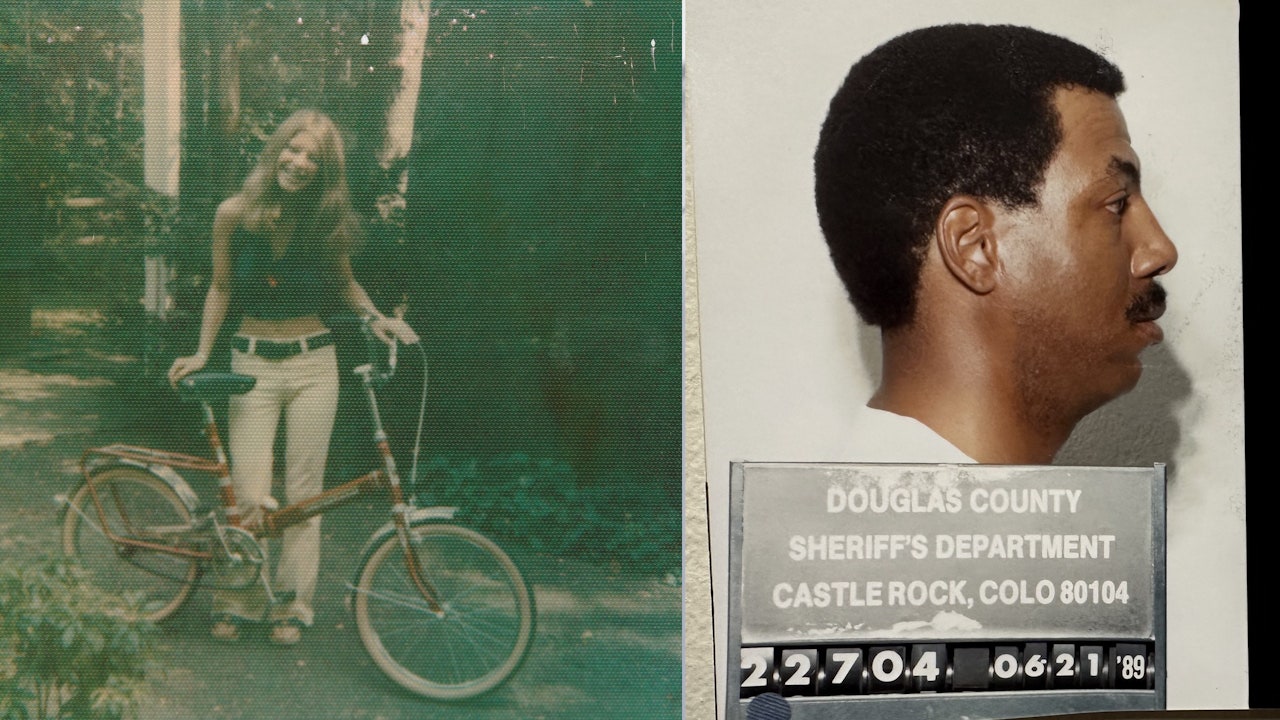
For nearly four decades, the murder of Rhonda Marie Fisher sat unsolved inside a Douglas County, Colorado case file that had grown to thousands of pages. Then, in December 2025, investigators cracked it — using DNA extracted from the interior surfaces of two paper bags placed over Fisher's hands at the scene in 1987. Fisher was thirty years old when she was found dead in rural Douglas County in 1987. From the first hours of the investigation, responding officers made a decision that would prove consequential nearly four decades later: they placed paper bags over her hands before she was removed from the scene, a standard forensic precaution intended to preserve trace evidence on the skin's surface. That routine step would ultimately break the case. The death generated thousands of pages of accumulated material over the years — reports, witness statements, forensic analyses, and administrative memos that grew as the investigation aged without resolution. Detectives worked the case through the late 1980s and 1990s but were never able to identify a suspect. Without a match, the file gradually transitioned from active to cold, remaining officially open but effectively dormant. When the Douglas County Sheriff's Office Cold Case Unit reopened the investigation in 2024, detectives confronted the full weight of that accumulated documentation. To manage it efficiently, the office deployed Tranquility AI's TimePilot evidence analysis platform, a tool designed to help investigators organize, search, and cross-reference large case files. Working systematically through almost forty years of material, the team identified items that might yield new results under modern forensic analysis. Among those items were the original paper bags. Forensic scientist Shane Williams explained at a December 2025 news conference that the rationale for testing them was based on the mechanics of evidence transfer: when the bags were placed over Fisher's hands at the scene, any biological material on her skin — skin cells, sweat, trace contact from a struggle — could have transferred to the bags' interior surfaces. Protected inside an evidence locker for nearly forty years, that transferred material might still carry a viable DNA profile. It did. Laboratory technicians successfully extracted usable DNA from the bags' interiors. The Douglas County Sheriff's Office described the result as "exceptionally rare," noting that "obtaining a viable DNA profile from paper bags nearly four decades old" was a testament to the meticulous evidence preservation carried out by the original investigators. That profile was then run against CODIS, the FBI's national index of DNA from convicted offenders, arrestees, and crime scene evidence compiled across the country. The comparison returned a match: the DNA corresponded to Vincent Darrell Groves, a name already connected to multiple other homicide investigations. Authorities identified Groves as one of Colorado's most prolific serial killers. Fisher's 1987 murder was now linked to three additional homicide cases associated with him. A cold case file that had sat for decades was solved. The Fisher case has since been cited in law enforcement circles as a demonstration of what meticulous evidence preservation makes possible across time. The investigators who bagged Fisher's hands in 1987 could not have foreseen that their procedural step would one day provide the key to identifying a serial killer. They followed protocol. The evidence waited. What the case also illustrates is the unglamorous infrastructure of cold case work: years of file review, forensic re-examination, database queries, and AI-assisted document analysis that rarely generate headlines but occasionally produce breakthroughs. The deployment of TimePilot to manage decades of accumulated documentation represents one piece of that infrastructure — modern tools applied to preserve the investigative thread that time would otherwise sever. For Rhonda Marie Fisher's family, the December 2025 announcement ended nearly four decades of uncertainty. For investigators and forensic professionals nationwide, the case stands as a reminder that evidence worth keeping is worth keeping meticulously — and that the technology to unlock its secrets may not yet exist at the moment of collection.
1 claim
Not yet independently verified
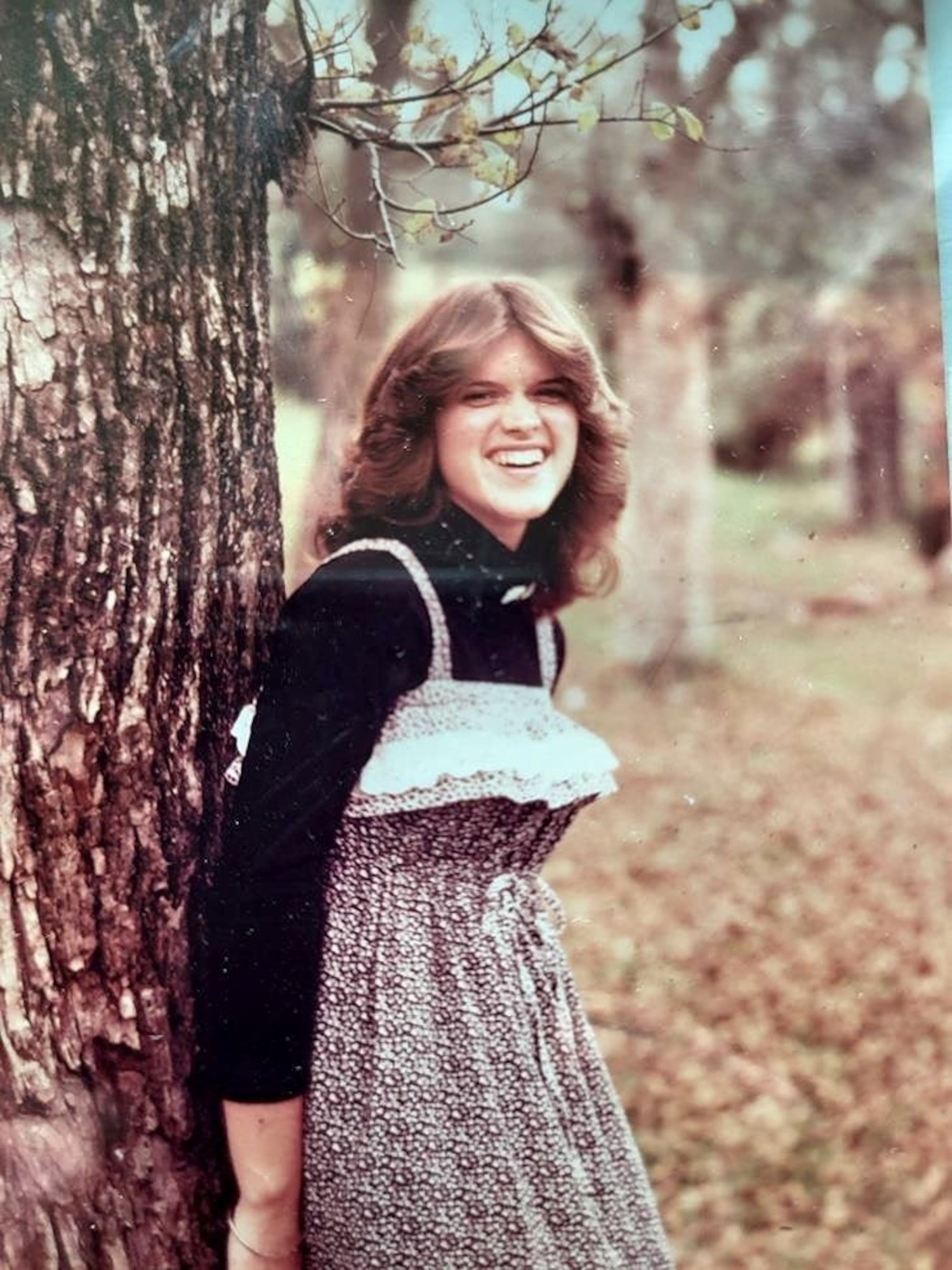
On July 12, 1980, a 21-year-old woman named Susan Vesey was found murdered inside her apartment on Casino Road in Everett, Washington — the morning after her twenty-first birthday. It was her husband, Ken Vesey, who discovered her body. The killing sent a shock through the local community, and in the days that followed detectives were left with a homicide scene and few clear leads. It would take forty-six years to name the person responsible. Investigators in 1980 worked the case with the tools they had: interviews, a careful examination of the crime scene, and the physical evidence they could collect and preserve. No suspect emerged, and no clear motive was ever established. The case quickly went cold and passed into the Everett Police Department's cold case files, where it was reviewed periodically over the decades in the hope that forensic science would eventually catch up to the evidence sitting in storage. For the Vesey family, that hope stretched across nearly half a century of not knowing who had killed Susan, or why. That hope was finally realized earlier this year. On March 13, 2026, the Everett Police Department announced that modern DNA analysis had at last identified a suspect in Susan Vesey's murder: Mitchell Gaff, a man in his sixties. The genetic material recovered from the 1980 crime scene — evidence that could not be meaningfully analyzed at the time, because DNA profiling would not become a standard investigative tool until the late 1980s and early 1990s — was re-examined with contemporary techniques and matched to Gaff, who had managed to evade detection for close to five decades. Prosecutors moved forward with the most serious homicide classifications available under Washington State law. Gaff was charged in Snohomish County Superior Court with Aggravated Murder and Murder in the First Degree in connection with Susan Vesey's death. After nearly 46 years, the case that had haunted Snohomish County finally had a named defendant. Gaff's alleged violence, investigators say, did not begin and end with Susan Vesey. In May 2024 — more than a year before the Vesey charges were announced — the Everett Police Department had already arrested and booked Gaff in connection with a separate Everett murder: that of Judy Weaver, who was killed on June 2, 1984. Two women, two unsolved homicides in the same city, four years apart, both now attached to the same suspect. The earlier arrest in the Weaver case provided investigators with additional context as they built toward charging Gaff in the older Vesey killing. The resolution of the Vesey case underscores something cold case investigators have long argued: evidence that seems unpromising at the moment of collection can become the key to a case decades later. The material gathered in that Casino Road apartment in 1980 was collected before the technology to analyze it even existed. It sat, intact and analyzable, until dedicated cold case work and advances in DNA analysis could finally give it meaning. Across the country, cold case units have adopted the same discipline — systematically revisiting unsolved homicides, applying new forensic methods to old evidence, and reopening cases that families and detectives alike had feared would never be answered. For the Everett community, Casino Road held the memory of a young woman's death for the better part of five decades. The announcement that a suspect had at last been identified and charged carried a mix of emotions — relief that the mystery might finally be closed, and grief that it had taken so long. It is worth stating plainly that the charges of Aggravated Murder and Murder in the First Degree remain allegations: Mitchell Gaff has been charged, not convicted, and the case has yet to be tried. But for the Vesey family, after forty-six years of silence, even the naming of a suspect represents a measure of accountability that once seemed impossible — a reminder that, for a thorough investigation and for the people who loved Susan Vesey, justice is not bound by time limits.
1 claim
Not yet independently verified