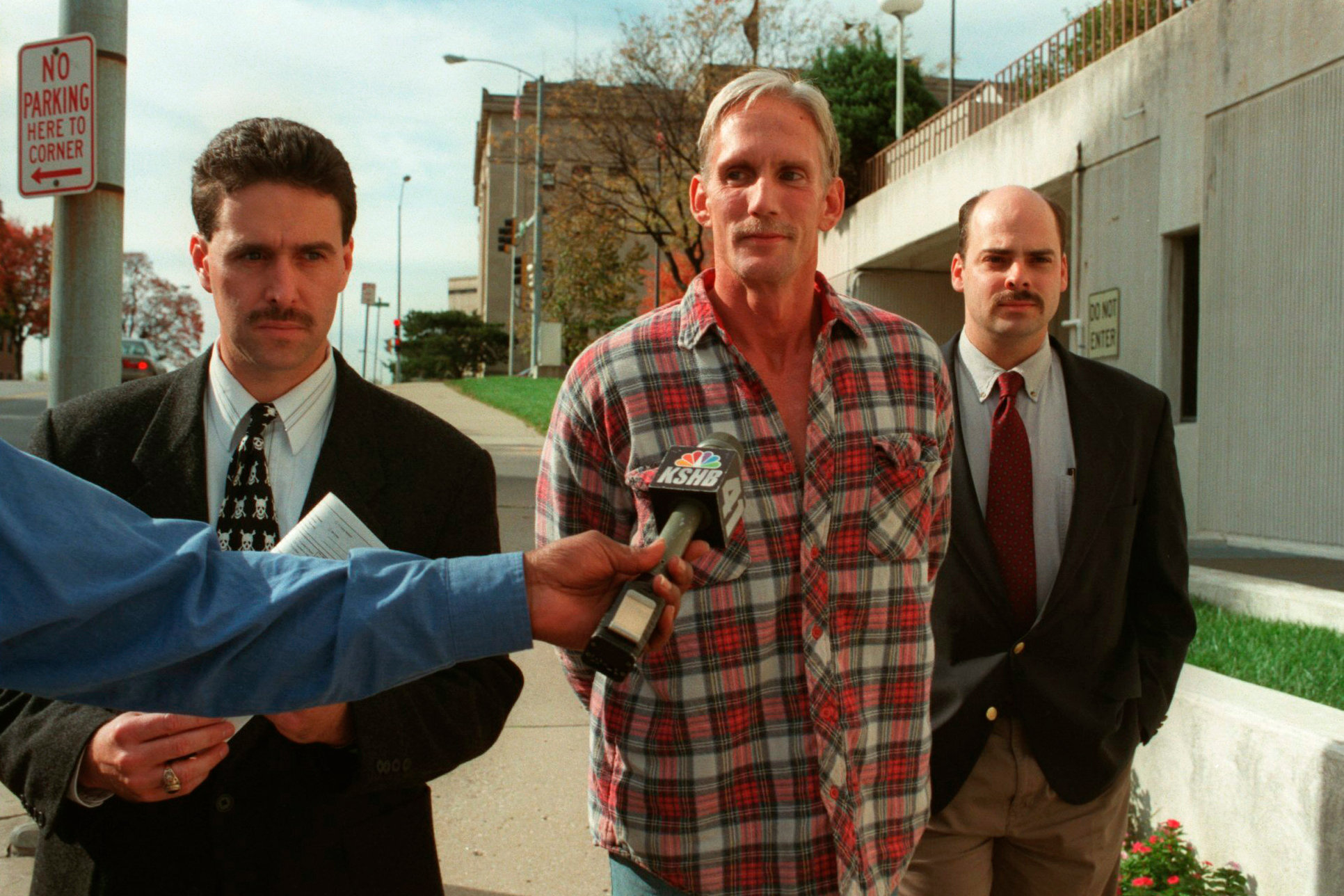
Wesley Purkey Federal Execution
closed · USOn the morning of July 16, 2020, Wesley Ira Purkey was pronounced dead at 8:19 a.m. at the Federal Correctional Complex in Terre Haute, Indiana. He was 68 years old. His execution by lethal injection made him the second man put to death by the federal government in a single week — and only the second federal execution carried out in nearly two decades.
Purkey had been sentenced to death for the kidnapping, rape, and murder of Jennifer Long, a 16-year-old girl abducted from the Kansas City, Missouri area in January 1998. Court records established that Purkey took Long across state lines to Lansing, Kansas, where he raped and killed her. He then dismembered, burned, and disposed of her remains — post-crime violence that shaped how prosecutors and courts viewed the case for years to come. The interstate nature of the abduction brought the matter under federal jurisdiction.
Purkey's connection to Long's murder came to light while he was already behind bars for a separate killing. In 1998, Purkey had also beaten 80-year-old Mary Ruth Bales to death with a claw hammer in Kansas City, Kansas. Convicted of that murder, he was serving a life sentence when he confessed to Long's abduction and killing — a confession that opened the door to the federal prosecution and eventually the death sentence that defined the remainder of his life.
The road from that confession to the execution chamber stretched more than two decades. In the final days before his scheduled execution, defense attorneys raised an urgent legal challenge: Purkey, they argued, suffered from Alzheimer's disease and no longer understood why he was being put to death. The claim invoked a bedrock principle of constitutional law — the Eighth Amendment has long been interpreted to prohibit executing a person who lacks the mental competency to comprehend their own punishment.
The legal fight that followed was chaotic. Courts issued injunctions; the Supreme Court vacated them. At one point, Purkey's defense team received notification that the execution would proceed via email, hours after the originally scheduled time had already passed. In the overnight hours before July 16, the Supreme Court cleared the final obstacles. The execution moved forward at dawn.
Purkey's death came just two days after Daniel Lewis Lee was put to death on July 14, 2020 — the first federal execution in nearly two decades, and the one that broke the long pause in federal capital punishment. Together they marked the beginning of an unprecedented series of executions carried out in the final months of the Trump administration, after years in which the federal death penalty had sat effectively dormant.
For Jennifer Long's family, the morning of July 16, 2020 brought the formal close of a case that had stretched across more than two decades. Long was 16 when she was taken from the street while walking home from high school. The man who killed her had gone on to commit another murder before confessing to hers, and the years between his confession and his execution had been filled with legal proceedings that her family was left to navigate from a distance.
The questions the Purkey case raised did not end with his death. The propriety of executing aging inmates with possible cognitive impairments, the constitutional standard for mental competency in capital cases, and the broader legitimacy of resuming federal executions after nearly twenty years of dormancy all remained contested after July 16. For the families of Jennifer Long and Mary Ruth Bales, the date meant something more immediate: the formal end of a long ordeal, carried out at dawn in a federal prison in Indiana.
1 claim
Not yet independently verified