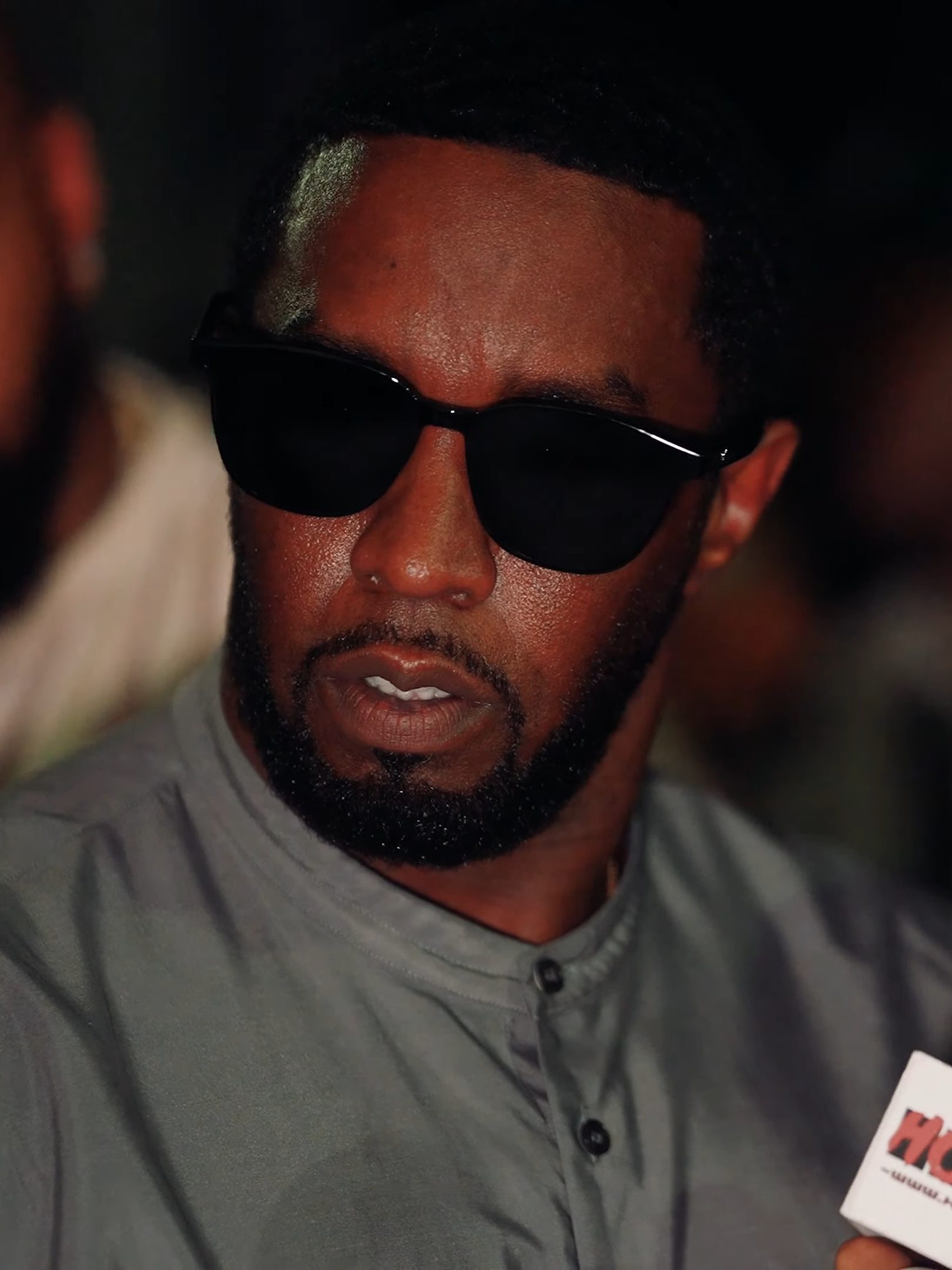
At roughly 11:30 on the morning of Monday, June 30, 2025, twelve ordinary citizens filed out of a Manhattan federal courtroom and into a deliberation room to decide the fate of one of the most influential figures in modern American music. After nearly two months of testimony, the federal racketeering case against Sean "Diddy" Combs had finally been handed to the jury. Within minutes, the gravity and the friction of the moment made themselves felt: the panel sent two separate notes to the bench, and before the day was out, the jurors had flagged one of their own as a problem.
The charges were severe. Combs stood accused of one count of racketeering conspiracy, two counts of sex trafficking, and two counts of transportation for prostitution. The racketeering conspiracy count, brought under the federal Racketeer Influenced and Corrupt Organizations Act (18 U.S.C. § 1961 et seq.), was the spine of the government's case. Originally written to dismantle organized crime, RICO allowed prosecutors to tie a range of alleged acts together as a pattern of criminal activity rather than a string of isolated incidents — a framing that, if accepted by the jury, would expose Combs to a long federal prison term.
Presiding over the trial was U.S. District Judge Arun Subramanian, who spent the morning of June 30 walking the jury through their instructions before sending them to deliberate. Those instructions are the quiet machinery of a criminal trial: the judge lays out the legal standard for each count and reminds jurors that the burden of proof rests entirely on the prosecution, which must establish guilt beyond a reasonable doubt. It is the highest standard in American law, and it exists precisely because the stakes of a wrongful conviction are so high.