Detectives rapidly focused on O.J. Simpson as a suspect based on physical evidence at the crime scene and the documented history of domestic violence between Simpson and Nicole Brown Simpson.[1]
Check the sourcesWikipedia ↗
origin: imported
3 claims
Not yet independently verified
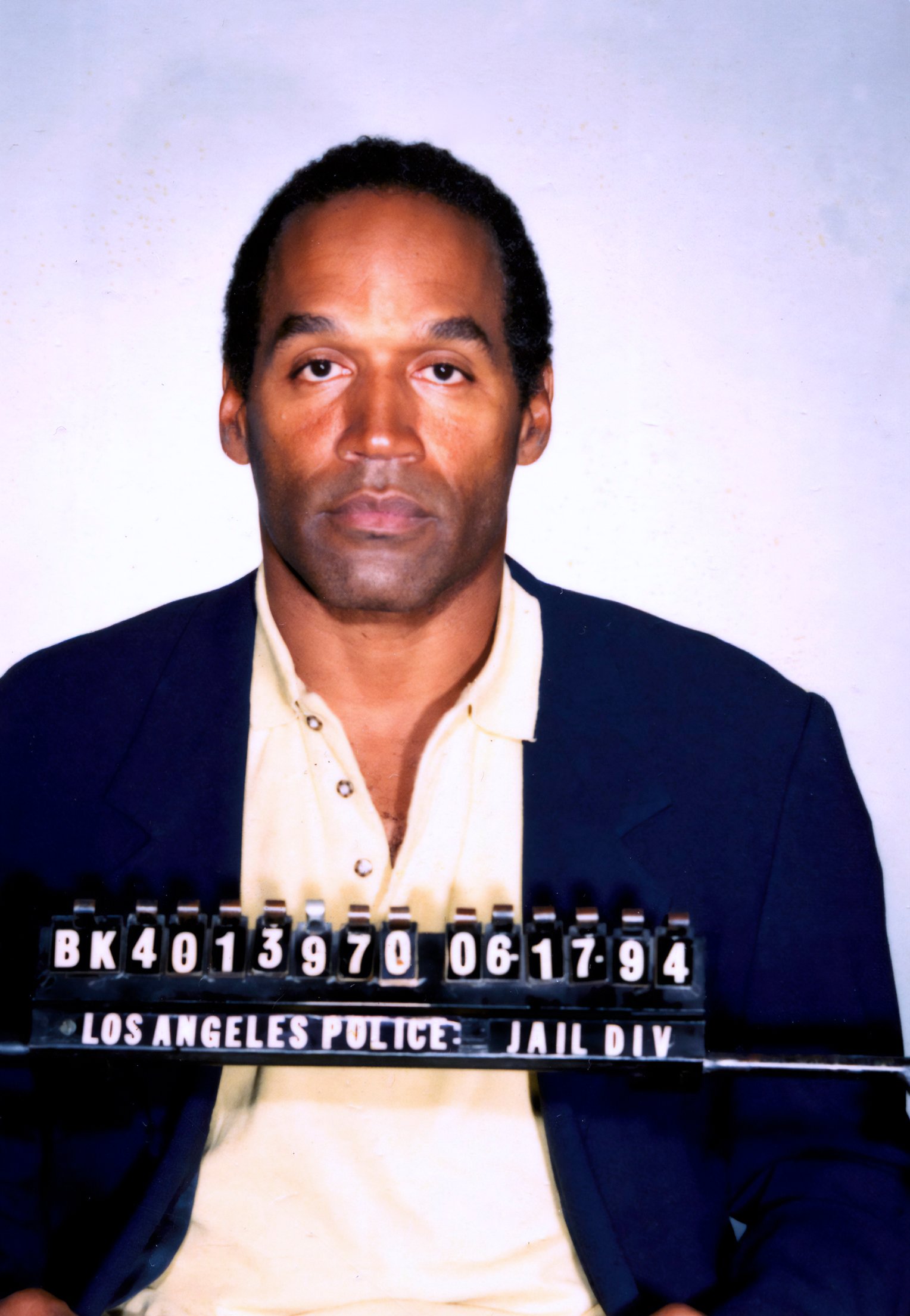
On the morning of June 13, 1994, O.J. Simpson was in a Chicago hotel room when police in Los Angeles called with news that would upend his life and, eventually, the country. He had been at the hotel for barely two hours, in the city for a corporate event that had brought him two thousand miles from his Brentwood home. The call told him that his ex-wife, Nicole Brown Simpson, was dead, and that a friend of hers, Ronald Goldman, had been killed alongside her.
The murders had occurred the previous evening, on June 12, 1994, at approximately ten o'clock at night. Nicole's mother had come to check on her daughter after discovering what appeared to be a letter from Simpson — one that suggested he was struggling with the end of their marriage. She called 911, and investigators responding to the scene discovered the two bodies outside Nicole's home in the Brentwood neighborhood of Los Angeles. Both had been stabbed to death. Within hours, detectives at the Los Angeles Police Department had identified their primary suspect.
Simpson flew back to Los Angeles on June 13. Upon landing, he was met by investigators, temporarily handcuffed, and taken in for questioning. The investigation had already moved fast. Detectives had focused on Simpson early, building a case from physical evidence collected at the scene, DNA samples, and a documented history of domestic violence between Simpson and his ex-wife. The accumulated evidence would form the foundation of what became one of the most closely scrutinized criminal cases in American history.
Archival and public-source images gathered for this case, shown as found and marked unverified until a human checks rights and relevance. Not a rights clearance, endorsement, or complete record.
Each claim is sourced and shown by default. The mark beside it reads its status — a hollow ring (reported, awaiting review), a solid dot (human-verified), or an oxblood triangle (disputed). The numbered references point to the sources at the page bottom. Verification is human-only.
0 of 3 facts verified · help verify →
Detectives rapidly focused on O.J. Simpson as a suspect based on physical evidence at the crime scene and the documented history of domestic violence between Simpson and Nicole Brown Simpson.[1]
Check the sourcesWikipedia ↗
Nicole Brown Simpson and Ronald Goldman were stabbed to death on the night of June 12, 1994, outside Nicole's Brentwood home; their bodies were found shortly after midnight on June 13.[1]
Check the sourcesWikipedia ↗
Within five days of the murders, by June 17, 1994, LAPD investigators had gathered enough evidence to formally charge O.J. Simpson with both killings.[1]
Check the sourcesWikipedia ↗
Sources opened and checked for this issue — not exhaustive, official, or a complete record. Numbers match the citation marks above.