Richetti was identified as another gunman involved in the attack.[1]
Check the sourcesFederal Bureau of Investigation ↗
origin: imported
4 claims
Not yet independently verified
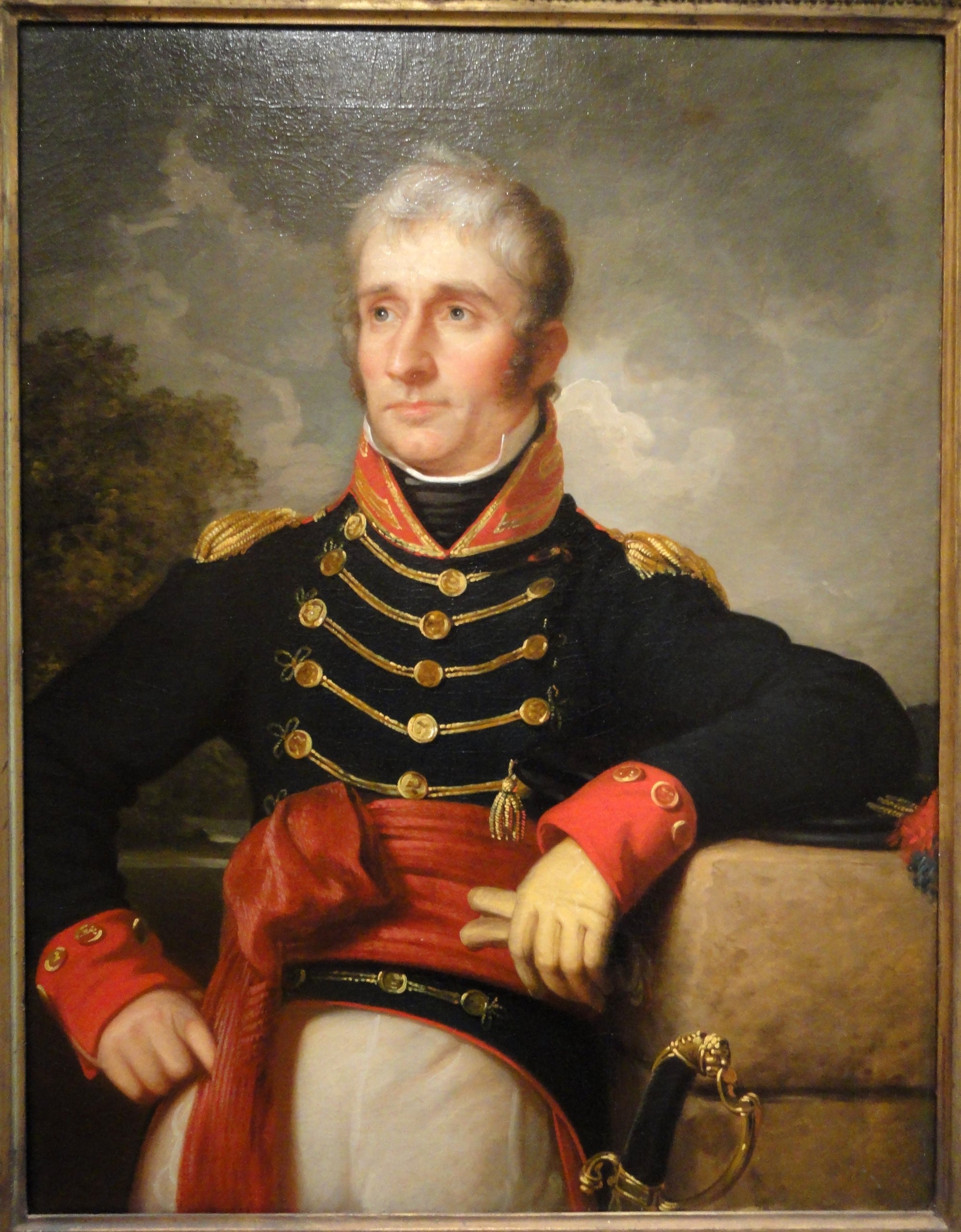
June 17, 1933. Ninety-three years ago this morning, a group of law enforcement officers walked across Kansas City Union Station at approximately 9:30 a.m. with their prisoner, a notorious federal escapee named Frank "Jelly" Nash. They had every reason to think this was a routine transfer. Seconds later, gunfire erupted from multiple directions. When the shooting stopped — it lasted only moments — four law enforcement officers and the prisoner they were escorting lay dead. The Kansas City Massacre, also known as the Union Station Massacre, had just become one of the bloodiest ambushes in American law enforcement history.
Frank Nash had been a problem for the government since at least 1913, when he received a life sentence in Oklahoma for murder. He proved impossible to contain. On October 19, 1930, Nash escaped from the U.S. Penitentiary at Leavenworth, Kansas — a maximum-security federal facility — and spent the next three years evading capture while continuing a career that included bank robbery and other violent offenses. When federal agents finally ran him down and arrested him in the summer of 1933, they made arrangements to return him to Leavenworth. Special Agent in Charge Edgar C. Vetterli, the FBI's special agent in charge of the Kansas City office, personally coordinated the transfer. There was no sign anything had gone wrong.
The men waiting at Union Station had been busy since the day before. Vernon Miller, a career criminal with a personal stake in the outcome — he was a close friend of Nash's — had organized the rescue operation. He recruited Charles "Pretty Boy" Floyd, one of the most-wanted bank robbers of the Depression era, and Floyd's accomplice Adam Richetti. Their journey to Kansas City had not gone smoothly: their vehicle broke down on the morning of June 16, stranding them briefly before they pushed on. By the morning of June 17, they were in position.
Archival and public-source images gathered for this case, shown as found and marked unverified until a human checks rights and relevance. Not a rights clearance, endorsement, or complete record.
Each claim is sourced and shown by default. The mark beside it reads its status — a hollow ring (reported, awaiting review), a solid dot (human-verified), or an oxblood triangle (disputed). The numbered references point to the sources at the page bottom. Verification is human-only.
0 of 4 facts verified · help verify →
Richetti was identified as another gunman involved in the attack.[1]
Check the sourcesFederal Bureau of Investigation ↗
Four law enforcement officers and prisoner Frank Nash were killed in the attack at Union Station on June 17, 1933.[2, 3]
Check the sourcesWikipedia ↗KC Police Memorial ↗
Frank Nash had escaped from the U.S. Penitentiary at Leavenworth approximately three years before June 1933.[2]
Check the sourcesWikipedia ↗
Charles 'Pretty Boy' Floyd was identified by the FBI as one of the gunmen involved in the attack.[1, 4]
Check the sourcesFederal Bureau of Investigation ↗Nebraska Examiner ↗
Sources opened and checked for this issue — not exhaustive, official, or a complete record. Numbers match the citation marks above.
Books, podcasts, articles, and films about this case — gathered as candidates and marked unverified until reviewed. These reflect each work’s own framing, not Case Bound facts or endorsements.




Podcast · 2026unverified
Chiefs Sideline ERUPTS as Patrick Mahomes Stuns with Spectacular Preseason Throws as a ROOKIE!
Locked On Chiefs - Daily Podcast On The Kansas City Chiefs
Podcast · 2026unverified
CHIEFS SQUAD SHOW: EXPLODES Over TEN BEST Kansas City Chiefs EVER! Is Mahomes Already NUMBER ONE?!
Locked On Chiefs - Daily Podcast On The Kansas City Chiefs
Podcast · 2026unverified
Kansas City Murder Suspect Linked by DNA
Kansas City News Today | 2 Min News | The Daily News Now!
Podcast · 2026unverified
Mundo in the Morning - KCMO Talk Radio 95.7FM & 710 AM
Podcast · 2026unverified
Mundo in the Morning - KCMO Talk Radio 95.7FM & 710 AM
Podcast · 2026unverified
The Six at Six, Top Six Stories For June 17th | 6-17-26
Mundo in the Morning - KCMO Talk Radio 95.7FM & 710 AM
Podcast · 2026unverified
Tuesday Primary Results Could Tie to Kansas Governor's Race? | Mundo Clip 6-17-26
Mundo in the Morning - KCMO Talk Radio 95.7FM & 710 AM
Podcast · 2026unverified
What If Wednesday: World Cup Moment, Trump Endorsement, and JD Vance | 6-17-26
Mundo in the Morning - KCMO Talk Radio 95.7FM & 710 AM
Podcast · 2026unverified
What to Watch for During the Remainder of the Royals 2026 Season | One Royal Way 6/17
KCSN: Kansas City Royals Podcasts
Podcast · 2026unverified
Kansas City Chiefs BRACE For IMPACT—No More Discipline for Rashee Rice?
Locked On Chiefs - Daily Podcast On The Kansas City Chiefs
Podcast · 2026unverified
Kansas City on the WORLD Stage Today, Plus Skydiving Tragedy Latest | 6-16-26
Mundo in the Morning - KCMO Talk Radio 95.7FM & 710 AM
Podcast · 2026unverified
Felony Murder Charges Stick in Deaths of 3 Kansas City Chiefs Fans
Crime Stories with Nancy Grace
Podcast · 2026unverified
Was the Kansas City Massacre a Rescue Gone Wrong Or a Mob Hit? | The Mysterious Death of Frank Nash
Weird Darkness: Paranormal & True Crime Stories
Podcast · 2024unverified
The Kansas City Vampire - Convinced he had to eat human flesh to live?! (Podcast Exclusive)
Murder, Mystery & Makeup
Podcast · 2024unverified
Murder In America
Podcast · 2024unverified
Murder In America
Podcast · 2024unverified
The Silent Kansas City Butcher - Unnoticed For Far Too Long.
Murder, Mystery & Makeup
Podcast · 2023unverified
Ep 151 : Richard Grissom Jr.: The Serial Killer Who Terrorized Kansas City
Mama Mystery with Kelly Evans